Model 01
Mean LAB / CIE76
 Query / 14
1. ID 202.18 
2. ID 122.79 
3. ID 113.08 
4. ID 454.24 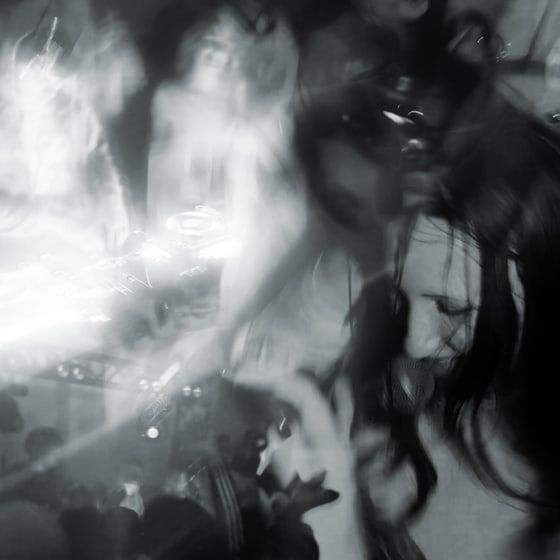
5. ID 944.83 Relevant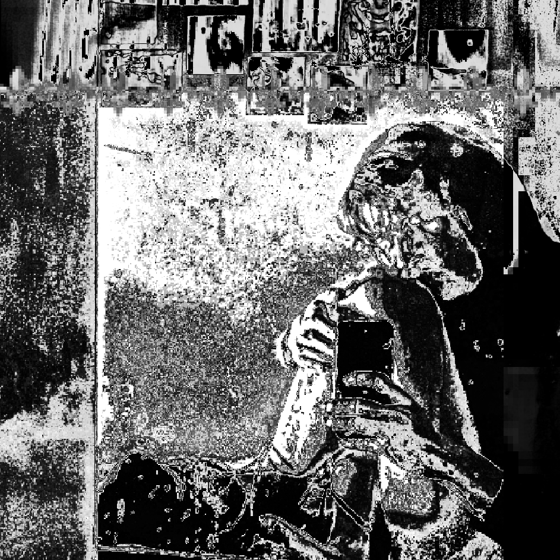
6. ID 165.43
- Relevant in top four
- 86%
- Ranking agreement
- 82%
- Graph
- 246 edges / 7 components
- Build time
- 3.7 ms
Photography / Data visualization
A force-directed photo archive that uses colour similarity to surface unexpected visual neighbours, then tests those relationships against human review.
Model selection
Photo archives are usually organised by time, place, or subject. This experiment asks whether colour can offer another route through the work: moving from one photograph to another through light, tone, and palette.
An initial CIE76 graph was visually dense yet still split natural neighbours apart. I tested five models against seven reviewed query sets; Mean LAB with CIEDE2000 gave the strongest result using the existing image features, so it drives the live graph.
Human-reviewed affinity set
Active query / ID 14
“Relevant” marks a reviewed match. P@4 is the share of the first four results judged relevant; pair agreement measures how closely a model follows the reviewed ranking. Unmarked results are unjudged, not automatically wrong.
Model 01
Query / 14Model 02
Query / 14Model 03
Query / 14
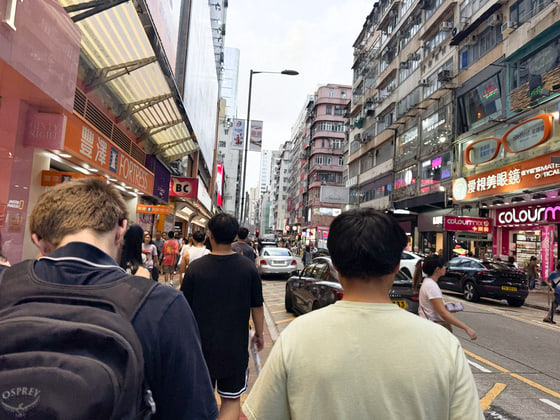
Model 04
Query / 14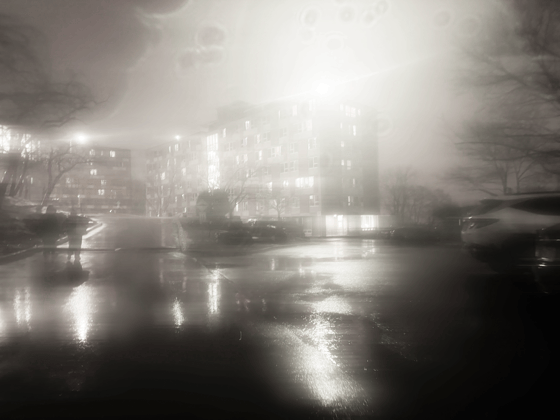
Model 05
Query / 14Broad dominant-colour and tonal affinity, judged from the generated contact sheet. These are editorial judgments, not semantic labels or exhaustive relevance sets.
Exact all-pairs benchmark / 4,950 pairs / generated 26 Aug 2026
Project readout
The graph does not try to identify what a photograph depicts. Instead, it turns 100 photographs into a field of visual neighbours, then tests that field against 7 deliberately different reference images before anyone is asked to browse it.
01 / Index
The archive remains image-first. A feature pass records colour signals for every photograph, while the original image stays at the centre of the experience.
02 / Review
Seven query images define the kind of visual relationship worth preserving. Five colour models are checked against those judgments instead of assuming numerical closeness matches the eye.
03 / Browse
The selected model becomes a force-directed gallery. It makes colour clusters and surprising near-neighbours available to browse as a field, rather than a fixed list of results.